Incorporate Trees and Layered Planting
Trees and layered plantings can dramatically enhance the depth and character of a landscape. Instead of relying on open lawn areas alone, layered landscaping combines trees, shrubs, and smaller plants to create visual interest at multiple heights. This approach makes outdoor spaces feel more natural and balanced while adding color, texture, and seasonal variation.
Selecting the right trees plays a key role in achieving this effect. Many homeowners explore options from large tree nurseries to find species suited to their climate and soil conditions. When mature trees are combined with shrubs and ground cover plants, the landscape gains structure and long-term beauty that transforms the entire outdoor space.
Design Functional Patio and Seating Spaces
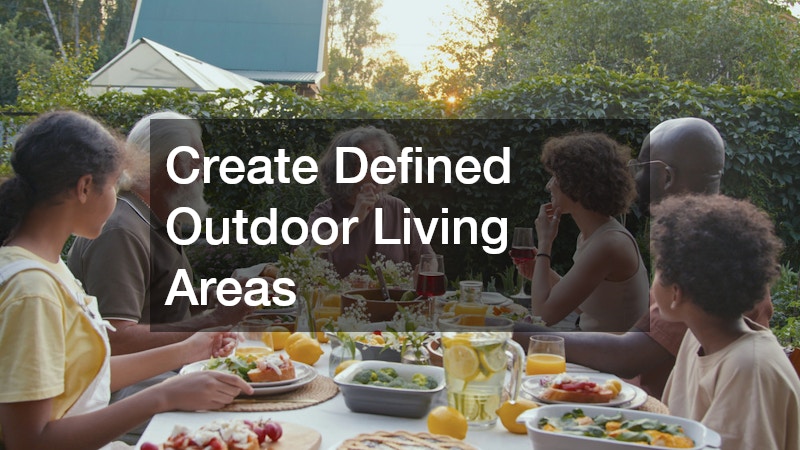
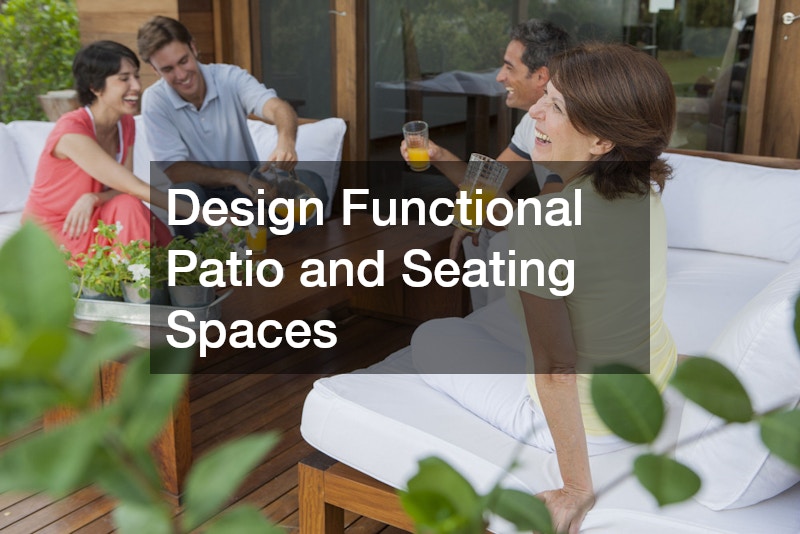
Patios and seating areas help transform a yard into a usable outdoor living environment. Instead of leaving open areas undefined, patios create dedicated spaces for dining, relaxing, or gathering with family and friends. Well-designed seating areas improve comfort while encouraging homeowners to spend more time enjoying their landscape.
In yards with slopes or uneven ground, structural features may be needed to create stable surfaces for these spaces. Installing a retaining wall can help level certain areas while adding visual structure to the landscape. By stabilizing soil and creating defined elevations, these features support patios that are both functional and visually appealing.
Use Lighting to Highlight Landscape Features
Lighting plays an important role in extending the usability of outdoor spaces into the evening. Well-placed landscape lighting can highlight pathways, garden beds, and architectural elements while also improving safety. When lighting is integrated into the design, it helps create a warm and welcoming atmosphere throughout the yard.
Some landscape lighting plans also involve coordinating with surrounding infrastructure. For example, water access may be necessary for irrigation or additional landscape features, which may involve systems supported by well drilling. When lighting and other infrastructure elements are planned together, the outdoor space becomes more functional and cohesive.
Build Garden Beds for Color and Texture
Garden beds are one of the most effective ways to introduce color, texture, and seasonal variety into a landscape. While lawns provide open space and visual simplicity, garden beds allow homeowners to add personality and dimension to their outdoor environment. By arranging plants with different heights, colors, and blooming cycles, a landscape can remain visually appealing throughout much of the year. Thoughtfully designed beds also help frame walkways, patios, and other landscape features.
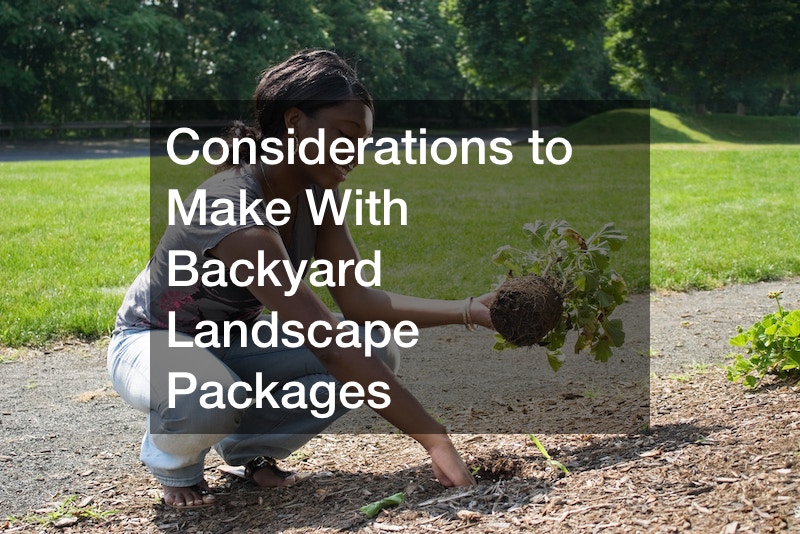
When planning garden beds, it is important to consider soil quality, sunlight exposure, and plant compatibility. Grouping plants with similar water and light requirements helps create healthier growing conditions while reducing maintenance challenges. Layering taller plants in the back and shorter varieties in the front can create a balanced appearance while allowing each plant to remain visible. This approach creates depth and visual interest that enhances the overall landscape design.
Selecting the right plants often begins with exploring options from a local plant store. These locations typically offer a variety of flowers, shrubs, and seasonal plants that can thrive in the surrounding climate. With careful plant selection and thoughtful placement, garden beds can become vibrant focal points that elevate the entire outdoor space.

Install Water Features for Visual Interest
Water features can add a sense of movement and tranquility to an outdoor space. The sound of flowing water often creates a relaxing atmosphere that encourages homeowners and guests to spend more time outdoors. Fountains, ponds, and small waterfalls can all become focal points within a landscape design. These features introduce a dynamic element that contrasts beautifully with plants, stonework, and other natural materials.
In addition to their aesthetic value, water features can also help shape the layout of a landscape. Placing a fountain or pond in a central location can anchor surrounding planting areas or seating spaces. Water features can also attract birds and other wildlife, which further enhances the natural atmosphere of the yard. When integrated thoughtfully, these elements contribute to a peaceful and balanced outdoor environment.
Some homeowners choose to incorporate water features as part of a broader landscape plan that includes trees and shade structures. In these situations, experienced tree companies may assist with selecting and maintaining trees that complement the water feature while maintaining proper spacing and root health. The combination of water, greenery, and natural shade can create a truly inviting outdoor retreat.
Include Decorative Hardscape Elements
Hardscape elements add structure and definition to a landscape by introducing durable materials such as stone, brick, or concrete. These features help balance the softer appearance of plants and lawns while providing functional surfaces for movement and outdoor activities. Decorative hardscape elements may include patios, garden borders, stone accents, or decorative pathways that enhance both the appearance and usability of a yard.
Incorporating hardscape elements can also improve drainage and protect the home’s exterior. For example, features that direct water away from structures help reduce soil erosion and prevent moisture from collecting near the foundation. In some cases, improvements related to gutter installation may be considered when designing landscape features that manage water flow around the home. Proper drainage planning helps maintain both the landscape and the structure of the property.
Decorative hardscapes can also create visual contrast within the landscape. Stone borders can highlight garden beds, while decorative walls or pathways provide texture that complements surrounding greenery. By combining natural materials with thoughtful design, homeowners can create outdoor spaces that feel both durable and visually appealing.
Improve Privacy With Strategic Planting
Privacy is an important consideration for many homeowners who want their outdoor spaces to feel comfortable and secluded. Strategic planting can help create natural barriers that shield patios, gardens, and seating areas from nearby properties or streets. Trees, shrubs, and tall ornamental plants can be arranged to form living screens that block views while still maintaining a natural appearance.
Unlike fences or solid walls, plant-based privacy solutions can blend seamlessly into the surrounding landscape. Dense hedges, layered plantings, and carefully placed trees can create quiet, shaded areas that feel more intimate and relaxing. Over time, these plantings grow and become even more effective at reducing noise and increasing visual separation from neighboring properties.
In some situations, privacy planting is coordinated with other exterior improvements that protect the home and surrounding structures. For example, homeowners may address roofing concerns with a roofer while also evaluating how nearby trees or tall plantings interact with the roofline. Careful planning helps create a landscape that supports both privacy and proper property maintenance.
Add Outdoor Features for Year-Round Enjoyment
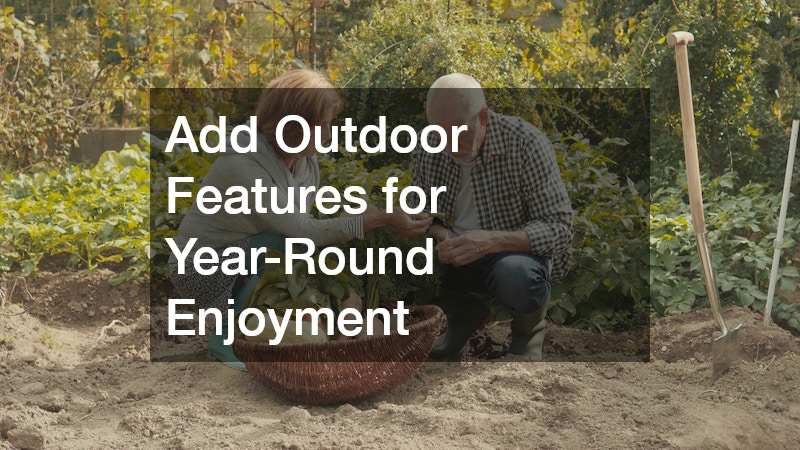
A well-designed landscape can provide enjoyment throughout the year rather than only during a single season. Outdoor features such as storage structures, seating areas, and sheltered spaces allow homeowners to continue using their yard even as weather conditions change. These additions make outdoor spaces more practical while supporting a wider range of activities.
Seasonal functionality is an important part of long-term landscape planning. Covered areas can provide shade during warm months while offering protection from rain or wind during cooler seasons. Storage areas can also help keep outdoor tools, gardening supplies, and recreational equipment organized and easily accessible.
One addition that can support year-round functionality is a small outdoor structure built with the help of garden shed building services. A well-designed shed can serve as both a storage solution and an attractive landscape feature. When integrated into the overall design, these structures provide practical value while contributing to the character of the outdoor space.
By incorporating features that serve multiple purposes, homeowners can create landscapes that remain useful and enjoyable in a variety of conditions.
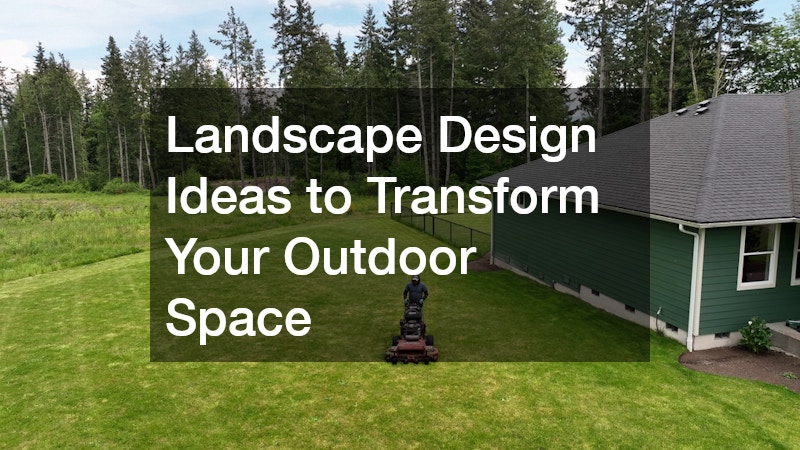
Transforming an outdoor space through thoughtful landscape design can significantly improve both the beauty and functionality of a property. By combining natural elements such as trees and plants with structural features like patios, pathways, and lighting, homeowners can create a balanced environment that supports relaxation, entertainment, and everyday outdoor living. Each element of the design works together to create a cohesive landscape that feels both organized and inviting.
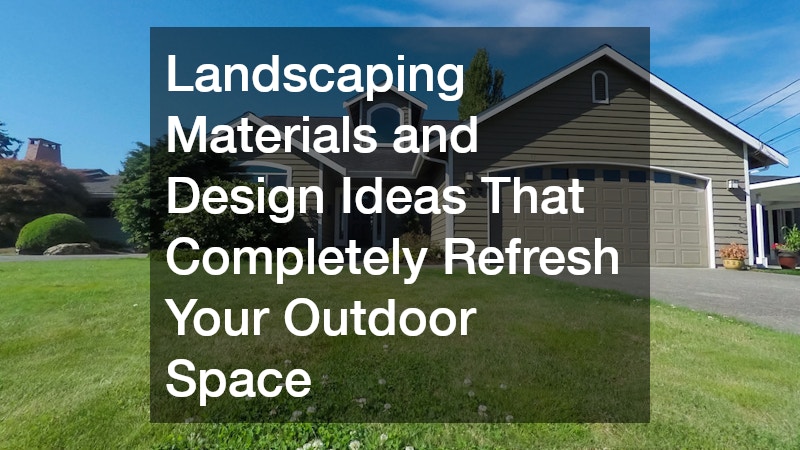
Successful landscape design also involves careful planning and attention to long-term needs. Choosing the right plants, incorporating durable hardscape features, and considering how outdoor spaces will be used throughout the year all contribute to a landscape that continues to perform well over time. When each component is thoughtfully integrated, the outdoor space becomes a natural extension of the home.
With the right approach, even small improvements can transform an ordinary yard into a comfortable and visually appealing environment. By investing in well-planned landscape design ideas, homeowners can create outdoor spaces that enhance property value while providing a welcoming place to relax and enjoy nature.