
Breaking ground on an outdoor home project is exciting, whether you are adding a patio, replacing a failing driveway, or starting a full backyard renovation. But what looks like a simple digging job can quickly uncover problems that were never part of the original plan or budget. Old pipes, buried debris, shifting soil, and outdated systems have a way of hiding just beneath the surface until a shovel or excavator finds them. Knowing what commonly turns up can help you plan a realistic budget and avoid a project that stalls halfway through. This guide walks through the most common costly surprises homeowners face once the ground is actually opened up.
Hidden Utility Lines and Old Pipe Networks
One of the most frequent surprises during excavation is discovering utility lines that were never marked on any property survey. Older homes in particular may have abandoned gas lines, old irrigation pipes, or electrical conduit left behind by previous owners. Hitting one of these unexpectedly can halt a project immediately while utility companies or specialists come out to assess the damage. Calling for a utility locate before any digging begins is standard practice, but it does not always catch everything buried decades ago.
Homeowners sometimes also discover that old plumbing connects to systems that are no longer functioning the way they should. If an excavation project exposes corroded supply lines near the house, it can be a good moment to also look at the condition of the water heater inside, since pipe deterioration outside often mirrors what is happening indoors. A water heater replacement is sometimes bundled into these projects simply because the timing lines up and the walls or trenches are already open.
Unexpected Soil Conditions and Drainage Problems
Soil that looks solid on the surface can turn out to be unstable, overly saturated, or full of clay once digging begins. These conditions affect everything from how a foundation settles to whether a new patio will crack within a year or two. Clay-heavy soil, for instance, expands when wet and contracts when dry, a cycle that can shift concrete slabs and crack retaining walls even after they’ve been installed correctly. Expansive soils, loose fill dirt from previous construction, and high water tables are among the most common surprises. A soil test before breaking ground can flag these issues, but many homeowners skip this step since it adds a few hundred dollars to upfront costs. Skipping it often means paying far more later, since correcting unstable soil after a structure is already in place can mean regrading, installing piers, or tearing out and redoing hardscaping entirely. Poor drainage is especially common in yards where water has nowhere to go, leading to soggy, unstable ground that was never obvious before excavation started. This is often the result of improper grading, compacted soil near the home’s foundation, or a high water table that sits just a foot or two below the surface. In some cases, a yard that seems fine during a dry inspection reveals serious pooling and runoff problems only after the first heavy rain following construction. Fixing drainage issues after the fact typically requires French drains, dry wells, or regrading the entire lot to redirect water flow, work that can run anywhere from a few hundred to several thousand dollars depending on the scope. Left unaddressed, trapped water can undermine foundations, erode new landscaping, and create standing water that attracts pests.
In some cases, the ground has already begun sinking in sections of the yard or around a driveway, something homeowners may not notice until equipment reveals voids underneath. These voids often form when water erodes loose soil beneath a slab, or when poorly compacted fill settles over time after construction. A dip of even an inch or two can signal a much larger pocket of empty space below the surface. Mud jacking is often brought up at this stage as a way to lift and stabilize sunken concrete sections without a full replacement. The process involves pumping a cement-based slurry through small holes drilled into the slab, filling the void and raising the concrete back to grade. It typically costs a fraction of what full slab removal and repouring would run, and most jobs can be finished in a single day with the surface ready for use shortly after. It is a far less invasive and more affordable fix than tearing out slabs entirely, but it only works if the underlying soil issue is addressed first. If poor drainage or a leaking pipe caused the erosion in the first place, the same voids will likely reappear within a year or two. Contractors will often recommend grading corrections, French drains, or gutter extensions alongside mud jacking so the fix actually holds.
Aging Septic Systems That No Longer Meet Code
Yard projects near a septic tank or drain field often reveal just how outdated the existing system really is. Many older septic setups were installed decades ago under codes that no longer apply, and once they are exposed, inspectors may require upgrades before any new construction can continue. This is particularly common when a pool, addition, or major landscaping project is planned near the septic footprint.
Homeowners facing this situation increasingly look into performance based septic systems, which are designed to treat wastewater more effectively and meet stricter environmental standards than older conventional setups. While the upfront cost is higher than a basic repair, these systems tend to handle fluctuating soil and water table conditions better over the long run. Discovering this need mid-project is frustrating, but addressing it properly avoids repeated failures down the road.
Buried Debris From Previous Construction
It is surprisingly common to dig into a yard and find chunks of old concrete, brick, scrap wood, or even forgotten building materials left behind by a previous renovation. Builders decades ago did not always haul away debris properly, choosing instead to bury it rather than pay for disposal. This hidden material can interfere with new footings, irrigation lines, or landscaping beds.
When the amount of debris is significant, homeowners sometimes need to bring in demolition contractors to clear the area properly before construction can resume. These professionals have the equipment to break apart and remove old material safely, which is not something most homeowners can manage with a rented tool for a weekend. Skipping this step and building over unstable buried debris often leads to settling problems later.
Structural Issues Discovered Near the Foundation
Excavating close to a home’s foundation sometimes reveals cracks, moisture intrusion, or settling that was never visible from inside the house. Crews might uncover spalling concrete, exposed rebar that’s already rusting, or footings that sit shallower than current building codes require. In older homes, it’s also common to find foundations that were patched decades ago with materials that have since failed. These issues are often more extensive underground than what shows up as a hairline crack in a basement wall. A small crack inside might trace back to a much larger fracture below grade, sometimes running several feet and allowing water to seep in with every heavy rain. Soil conditions play a role too — clay-heavy soil that expands and contracts with moisture can quietly stress a foundation for years before any visible sign appears indoors. Repairs at this stage can range widely in cost and complexity. Simple crack injections might run a few hundred dollars, while underpinning a settling foundation can climb into the tens of thousands depending on the home’s size and the extent of the damage. Waterproofing membranes, French drains, or sump pump installation are common add-ons once a crew is already down at footing level. Catching this early, while the ground is already open, is actually a stroke of luck compared to discovering it years later. Fixing it now avoids the expense of re-excavating later and prevents smaller problems from turning into structural emergencies that threaten the entire home’s stability.
Digging near the foundation sometimes reveals problems that have been quietly developing for years, such as hairline cracks that have widened, crumbling mortar, or settling that has caused the footing to shift out of level. Soil erosion, poor original drainage, or tree roots growing too close to the structure are common culprits. Once exposed, these issues are hard to ignore, since covering them back up without addressing the underlying cause only guarantees a bigger repair bill later. In some cases, these structural surprises are severe enough that homeowners end up consulting home builders rather than just a general contractor, especially if the project scope grows to include partial rebuilding. A qualified builder can assess whether the existing foundation can be reinforced with underpinning, helical piers, or carbon fiber strapping, or whether more extensive work like a partial foundation replacement is needed. They can also advise on whether local soil conditions or water tables played a role, which matters if you want to prevent a repeat problem. This kind of discovery can shift a modest backyard project into a much larger undertaking. A simple patio installation, for instance, might balloon from a few thousand dollars into a five-figure repair once foundation reinforcement is added to the scope. Because of this risk, it helps to have a contingency fund of at least 15 to 20 percent of your original project budget set aside before breaking ground. It is also worth asking your contractor upfront how foundation issues would be handled if discovered, so you are not negotiating terms under pressure mid-project.
Roofing and Structural Decking Problems Found During Additions
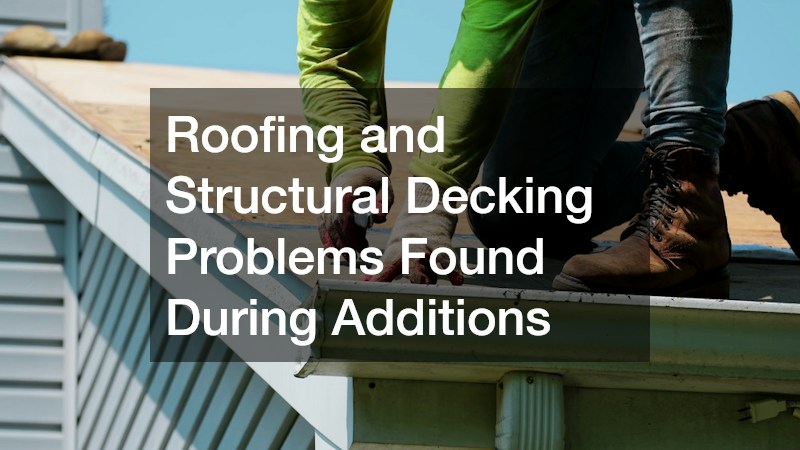
Projects that involve tying a new structure into an existing roofline, such as a covered patio or sunroom addition, frequently expose roofing problems that were not visible before. Old flashing, rotted fascia boards, or deteriorated decking underneath the shingles can turn a straightforward tie-in into a bigger repair. Roofing companies are often called in during these moments to evaluate whether the existing roof can support the new addition or needs reinforcement first.
In some cases, the plywood or structural layer beneath the shingles has degraded enough that it needs to be replaced entirely before new construction connects to it safely. Roof metal decking is sometimes recommended as an upgrade in these situations because it offers better durability and fire resistance compared to traditional wood sheathing, particularly in regions with harsh weather. Addressing this during an addition project, rather than ignoring it, prevents leaks and sagging in the years that follow.
HVAC and Furnace Access Complications
Outdoor excavation projects sometimes intersect with HVAC equipment pads, exterior vents, or ductwork running beneath a crawlspace. Moving or working around this equipment can expose how old or inefficient the system actually is, especially in homes where the furnace has not been serviced in years. Contractors sometimes discover corroded vent pipes or cracked heat exchangers that were previously hidden behind siding or buried under soil buildup.
When this happens, a furnace replacement may become part of the conversation sooner than homeowners expected, particularly if the unit is already near the end of its typical lifespan. While it is an unwelcome additional expense, replacing a failing furnace while the area is already disrupted can actually save money compared to doing it as a separate project later. It also avoids the risk of a mid-winter breakdown after the new landscaping or addition is finished.
Access Point Damage to Doors and Garages

Heavy equipment moving around a property during excavation can cause more incidental damage than homeowners expect, particularly to entry points that get used constantly during construction. Garage doors take a lot of wear during these projects since they are often propped open for equipment or material access, and tracks can bend or sensors can get knocked out of alignment. Garage door repairs are a common add-on expense by the time a project wraps up, especially on older doors that were already due for maintenance.
Front and side entry doors can also suffer frame damage or settling issues if excavation happens close to the entryway itself. Homeowners sometimes find that a door which used to close fine now sticks or lets in drafts after nearby ground has been disturbed. Working with an entry door company at that point can resolve both the functional problem and give homeowners a chance to upgrade to something more energy efficient while the area is already under construction.
Outdoor projects rarely go exactly as planned once the ground is opened up, but knowing the common surprises ahead of time puts homeowners in a much stronger position. Building a financial cushion of at least ten to twenty percent above the original estimate is one of the smartest steps anyone can take before breaking ground. Getting a few professional opinions early, rather than after a problem is already exposed, often saves both time and money. With the right planning and a realistic mindset, these surprises become manageable bumps rather than project-ending setbacks.