- Divide your backyard into functional zones like entertainment, relaxation, play, and gardening to make large spaces feel purposeful and organized.
- Balance hardscape and softscape with patios, pathways, and greenery to create both structure and visual appeal.
- Incorporate focal points and features such as water elements, sculptures, trees, or lighting to guide the eye and add interest.
- Use outdoor amenities and technology like kitchens, fire pits, smart lighting, or projectors to enhance comfort and entertainment options.
- Plan for privacy and seasonal usability with hedges, pergolas, heaters, and shaded areas for year-round enjoyment.
- Layer and prioritize elements thoughtfully by considering high-use areas, sunlight patterns, and flow between zones to maintain cohesion.
- Integrate eco-friendly and sustainable features like native plants, rain gardens, solar lighting, or composting to enhance both beauty and long-term functionality.
Having a large backyard is a dream for many homeowners, but it can sometimes feel overwhelming to figure out how to make the most of all that space. Should you focus on entertaining, relaxation, or aesthetic appeal? The good news is, you can do all three if you plan strategically. Here are 12 large backyard ideas designed to help you maximize space, boost comfort, and enhance curb appeal.
1. How Can You Create Functional Zones in a Large Backyard?
One of the most effective ways to make a large backyard feel purposeful is to divide it into functional zones. By creating distinct areas, you can enjoy multiple activities without the space feeling empty or disconnected.
Some zoning ideas include:
- Entertainment Zone: A patio or deck with seating for guests, a dining table, or even an outdoor kitchen.
- Relaxation Zone: A quiet area with lounge chairs, hammocks, or a small gazebo for reading or napping.
- Play Zone: A designated area for kids or pets, complete with a playset, sandbox, or open lawn.
- Gardening Zone: Flower beds, vegetable gardens, or raised planters.
Using pathways, hedges, or decorative fencing can help visually separate these zones without closing off the space.
2. What Are the Best Landscaping Ideas for Large Backyards?
Landscaping can transform a large backyard from plain to picturesque. The key is to balance aesthetics with functionality. Consider these ideas:
- Layered Planting: Combine tall trees, medium shrubs, and low ground cover for depth and variety.
- Native Plants: Low-maintenance, drought-tolerant, and visually appealing.
- Ornamental Features: Incorporate water features, sculptures, or birdbaths to add focal points.
- Curved Pathways: Gentle curves in walkways make a large yard feel more inviting than straight lines.
Landscaping not only enhances visual appeal but also creates natural privacy and noise reduction.
3. Should You Add an Outdoor Kitchen or Barbecue Area?

If you love entertaining, an outdoor kitchen or barbecue area is a must-have. It’s not just about cooking—it’s about creating a social hub.
Key elements to consider:
- Grill or pizza oven
- Counter space for prep and serving
- Bar seating or dining table
- Weather protection, like a pergola or retractable awning
An outdoor kitchen encourages you to host gatherings without feeling cramped indoors, and it makes your backyard more functional year-round.
4. How Can You Make a Large Backyard Cozy?
A large backyard can sometimes feel too open or impersonal. Here’s how to make it cozy:
- Use Pergolas or Gazebos: Provide shade and create a sense of enclosure.
- Add Fire Pits: Ideal for evening gatherings, marshmallow roasting, or just relaxing by the flames.
- Outdoor Rugs and Cushions: Soften seating areas to make them more inviting.
- Strategic Lighting: String lights, lanterns, and pathway lights add warmth and ambiance.
Even the largest yard can feel intimate when you create pockets of comfort throughout.
5. Can Water Features Elevate Your Backyard?
Water features do more than look beautiful—they provide relaxing sounds and can serve as a focal point in your yard.
Popular options include:
- Fountains: From classic tiered fountains to modern minimalist designs.
- Ponds: Add fish, lilies, or a small waterfall for a natural look.
- Streams or Waterfalls: Ideal for a multi-zone backyard, adding movement and sound.
Water features also attract birds and other wildlife, creating a lively, dynamic environment.
6. How Do You Incorporate Sports and Recreation?
A large backyard is perfect for sports and recreational activities. Consider your interests and those of your family when planning:
- Soccer or Volleyball Nets: Easy to set up and remove.
- Basketball Court: Full or half-court depending on space.
- Mini Golf or Bocce Ball: Fun for both kids and adults.
- Yoga or Exercise Zone: A quiet, flat space for outdoor workouts.
Balancing recreation with relaxation zones ensures that everyone can enjoy the yard.
7. What Are Some Smart Privacy Solutions?
Even in a large backyard, privacy matters. Here are some solutions that combine functionality and design:
- Hedges or Tall Shrubs: Natural and attractive, provide noise reduction too.
- Privacy Screens or Lattice Panels: Works well around patios or pools.
- Pergolas with Drapes: Create private seating areas that can be adjusted as needed.
- Strategic Tree Placement: Large trees can act as visual and sound barriers.
A sense of seclusion makes your backyard feel like a retreat, even in suburban neighborhoods.
8. How Can You Use Outdoor Lighting to Boost Appeal?

Lighting isn’t just for safety—it enhances beauty and usability. Consider these tips:
- Pathway Lights: Define walkways and highlight landscaping.
- Accent Lighting: Illuminate trees, sculptures, or water features.
- String Lights: Add charm to patios or pergolas.
- Motion-Sensor Lights: Useful for security and energy savings.
A well-lit backyard can be enjoyed long after sunset, making your space versatile and inviting.
9. Are Multi-Level Designs Worth It?
If your backyard has a slope or elevation change, multi-level designs can add visual interest and functionality.
Ideas include:
- Terraced Gardens: Makes planting easier and visually appealing.
- Deck or Patio Levels: Separate entertaining areas from relaxation zones.
- Raised Planters: Adds height for flower beds or vegetables.
Multi-level designs make a large backyard feel dynamic rather than empty and monotonous.
10. How Can Seasonal Features Keep Your Backyard Active Year-Round?
A large backyard should be enjoyable in all seasons. Seasonal features help extend usability:
- Fire Pits or Outdoor Heaters: Keep the space warm in fall and winter.
- Shaded Areas: Pergolas, umbrellas, or trees for summer comfort.
- Seasonal Plantings: Flowers, shrubs, or trees that bloom in different seasons for year-round color.
- Weatherproof Furniture: Durable materials ensure outdoor seating lasts through rain and sun.
By planning for the seasons, your backyard becomes a space you can enjoy all year.
11. How Can Outdoor Entertainment Technology Transform Your Backyard?
Technology isn’t just for indoors. Adding modern entertainment elements can make your backyard a social hub and extend its usability.
Ideas include:
- Outdoor TVs and Projectors: Perfect for movie nights or watching sports.
- Weatherproof Speakers: Integrate a sound system for music, parties, or relaxing background ambiance.
- Smart Lighting Systems: Control lights remotely, set scenes for different moods or occasions.
- Wi-Fi Boosters: Ensure strong connectivity for streaming and smart devices.
By blending technology with design, you can create a backyard that’s as functional as your indoor living room.
12. How Can Eco-Friendly Features Improve Your Backyard?
A large backyard is an ideal space to incorporate sustainable, eco-friendly practices that benefit the environment and your home.
Consider these ideas:
- Rain Gardens or Drainage Solutions: Manage runoff naturally and reduce erosion.
- Solar-Powered Lighting: Save energy while highlighting pathways or garden features.
- Composting Areas: Turn yard waste into nutrient-rich soil for gardens.
- Native Plant Landscaping: Reduces water usage and supports local wildlife.
Eco-friendly design not only enhances the backyard visually but also contributes to long-term sustainability and can even reduce maintenance costs.
Tips for Making These Large Backyard Ideas Work Together
A large backyard can be both a blessing and a challenge. With so much space, it’s easy to feel overwhelmed or end up with areas that feel disconnected. The key is thoughtful planning and layering. Here’s how to make all your ideas work in harmony:
Start with a Master Plan
Before buying furniture, plants, or decorative features, sketch a master plan of your backyard. Think about:
- Where you want each functional zone (entertainment, relaxation, play, gardening).
- How pathways and walkways will connect different areas.
- Natural elements like slopes, existing trees, and sunlight patterns.
A master plan acts as your roadmap, helping you avoid cluttered layouts or redundant features while maximizing usable space.
Prioritize High-Use Areas
Not all zones are used equally. Place high-traffic areas close to the house for convenience.
- A patio, outdoor kitchen, or lounge area should be easy to access from the kitchen or living room.
- Play areas for kids or pets can be slightly farther from quiet relaxation zones to avoid noise conflicts.
- Consider sun and shade exposure—morning sun might be perfect for breakfast patios, while evening sun is ideal for lounge areas.
Prioritizing usage ensures your backyard feels functional and natural rather than randomly filled.
Balance Hardscape and Softscape
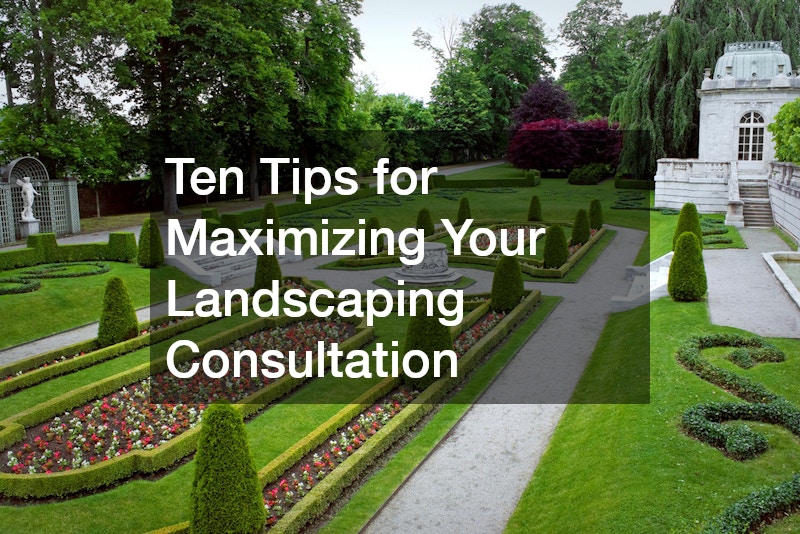
A visually appealing backyard strikes a balance between hardscaping (patios, decks, paths, retaining walls) and softscaping (plants, lawns, gardens).
- Hardscape provides structure, walking paths, and entertainment spaces.
- Softscape adds color, texture, and life, making the backyard feel inviting.
- Consider alternating hardscape and softscape areas to guide movement and maintain a natural flow.
The right balance keeps the backyard from feeling too rigid or too empty.
Add Focal Points
Focal points help the eye travel through your backyard and give each zone a sense of purpose.
- Water features: A pond, fountain, or small waterfall draws attention.
- Sculptures or artwork: Adds personality and visual interest.
- Trees or large shrubs: Can define spaces, provide shade, and create natural boundaries.
- Outdoor lighting: Highlights key features at night and creates a warm ambiance.
Focal points give each area a reason to exist and make your backyard feel thoughtfully designed.
Plan for Growth and Flexibility
Backyards evolve over time, so think ahead:
- Trees and shrubs will grow, potentially changing the amount of shade or privacy.
- Gardens may expand or need rotation based on seasons.
- Furniture and seating areas can be adjusted as your family’s needs change.
Planning for growth ensures your backyard remains beautiful and functional for years to come, avoiding costly redesigns later.
Layer Your Elements Thoughtfully
The magic happens when you layer zones, features, and design elements rather than placing them randomly.
- Use vertical layering with trees, shrubs, and raised planters to add depth.
- Overlap functional zones subtly—for example, a lounge area with a view of a play zone.
- Blend textures and colors to unify different sections of the backyard.
By layering thoughtfully, your large backyard will feel cohesive, welcoming, and practical, no matter how big it is.
Closing Thoughts
A large backyard is more than just extra space—it’s an opportunity to create a multifunctional, beautiful, and comfortable extension of your home. By implementing these twelve ideas—from zoning and landscaping to technology and sustainability—and combining them thoughtfully, you can maximize both space and curb appeal.
Remember: start with a master plan, prioritize high-use areas, balance hardscape and softscape, add focal points, and plan for growth. With these strategies, your backyard can evolve into a retreat that suits your lifestyle, entertains guests, and brings joy for years to come.