

A beautiful garden can boost curb appeal and give you a place to unwind, but if it fights against your home’s structure, drainage, and systems, it can quietly cause expensive problems. From roots that creep too close to your foundation to plantings that block essential maintenance access, the wrong landscaping choices can undo the benefits of a nice yard. The good news is that with some planning, your garden can complement your house instead of working against it. This guide walks through the key considerations that help you design outdoor spaces that protect your home while still looking great.
Plan Garden Beds Around Your Foundation and Drainage

The area closest to your house deserves the most careful planning because mistakes here can lead to water intrusion or structural damage. Soil that slopes toward your foundation, rather than away from it, sends rainwater exactly where you don’t want it. Before planting anything within several feet of your home, check that the grading directs water outward and that garden beds don’t trap moisture against the siding or foundation walls.
Applying a fresh layer of mulch each season helps regulate soil moisture and temperature, but it should never be piled directly against the house. Mulch volcanoes around trees or thick beds pushed up against exterior walls can hold moisture that invites rot and pests. Keep a gap of several inches between mulch and any siding or foundation material to let the area breathe.
Choose Tree Placement That Protects Your Roof and Gutters
Trees add shade and beauty, but planted in the wrong spot, they become a long-term liability for your roof. Overhanging branches drop leaves and debris into gutters, trap moisture on shingles, and can scrape protective granules off roofing material during windy weather. Before planting a tree, consider its mature height and canopy spread, not just how it looks as a sapling.
If you already have mature trees crowding your roofline, it may be worth a consultation with roofing contractors to assess whether overhanging limbs have caused hidden damage. They can spot early signs of wear, such as missing granules or soft spots, that are easy to miss from the ground. Trimming trees back on a regular schedule is far cheaper than repairing a roof that’s been compromised by years of debris buildup and moisture retention.
- Keep large shade trees at least 15 to 20 feet from the house to prevent root and branch interference
- Choose slower-growing species near structures to reduce long-term pruning needs
- Avoid planting directly above septic lines or underground utilities
- Schedule annual canopy trims to keep branches away from the roofline
Keep Climbing Plants and Vines Away from Exterior Walls
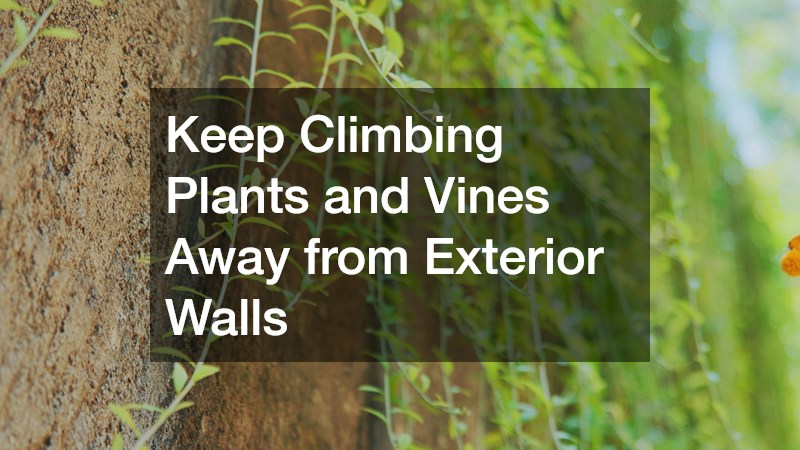
Climbing vines like ivy might look charming creeping up a brick wall, but they can work their way into small cracks and gaps in siding, mortar, and trim. Over time, this creates openings for moisture and pests to enter your home’s exterior envelope. If you love the look of climbing plants, train them onto a freestanding trellis a foot or two away from the wall instead of letting them attach directly to it.
Homeowners who’ve dealt with vine damage often end up calling siding contractors to repair sections that have trapped moisture or come loose from years of plant growth pulling at seams. Replacing damaged siding is far more expensive than redirecting a vine early on. A little foresight in your planting plan can save you from a costly exterior repair down the road.
Design Walkways and Patios That Support Proper Water Flow
Hardscaping features like patios, walkways, and retaining walls shape how water moves across your property. Poorly placed hardscaping can redirect runoff toward your home instead of away from it, especially during heavy rain. When planning any paved surface, think about the slope and where water will naturally travel once it hits that material.
Permeable materials, like gravel or specially designed pavers, allow water to filter through rather than pooling or rushing toward your foundation. This is especially useful in areas prone to heavy storms or in yards with heavy clay soil that doesn’t drain well. Working with a landscape designer who understands drainage principles can help you avoid turning your patio into an accidental water chute.
Select Plants That Support Your Home’s Pest Control Strategy
Certain plants are notorious for attracting pests that eventually find their way indoors. Dense groundcover like English ivy or pachysandra creates cool, moist hiding spots that ants, ticks, and rodents love, especially when planted right up against your foundation. Overgrown shrubs touching the house act as a literal bridge for insects, squirrels, and even roof rats to reach your siding, eaves, and attic vents. Standing water in decorative features is another major culprit. A birdbath that isn’t refreshed every few days or a clogged rain barrel can become a mosquito nursery in under a week, since it only takes about 7-10 days for eggs to hatch into biting adults. Fountains and small ponds should include a pump or aerator to keep water moving, since mosquitoes strongly prefer still water for laying eggs. Even mulch choice matters more than most homeowners realize. Thick layers of wood mulch piled against the house retain moisture and attract termites, so experts recommend keeping mulch at least 12-18 inches away from your foundation and no deeper than 2-3 inches. Swapping some mulched beds for gravel or stone near the home’s perimeter can further discourage burrowing insects. Choosing your plantings and hardscape materials with this in mind is a simple way to reduce the number of unwanted visitors near your home. It also minimizes the need for aggressive pesticide use later, since prevention through smart design tends to be far more effective than treating an active infestation.
Standing water is one of the biggest culprits, and anyone who has dealt with a swarm of bugs after a rainy week knows how quickly it becomes a problem. Mosquitoes need as little as a bottle cap’s worth of water to lay eggs, and that water can turn into biting adults in under a week. Birdbaths, clogged gutters, low spots in the yard, and even saucers under potted plants all qualify as breeding grounds if they’re not emptied or refreshed regularly. Many homeowners invest in mosquito removal services during peak season to manage populations that have already taken hold. These treatments are effective at knocking down existing numbers, but they work best as part of a broader strategy rather than a standalone fix. Addressing the standing water itself, in addition to treatment, gives you a more lasting solution. Simple changes like regrading a soggy corner of the yard, adding gravel for drainage, or cleaning gutters twice a year can eliminate the conditions mosquitoes rely on. Pairing those fixes with plant choices that repel pests, such as citronella grass, marigolds, or lemon balm, reinforces the effort and reduces how often you need professional intervention.
Coordinate Landscaping Projects with a Waste Removal Plan
Bigger garden overhauls, like removing an old patio, clearing overgrown shrubs, or regrading a section of yard, generate more debris than a regular trash pickup can handle. Trying to haul away broken concrete, soil, or large branches piecemeal wastes time and often costs more in the long run. Planning for proper disposal before you start digging keeps your project organized and your yard from turning into a cluttered mess.
For larger projects, renting a roll off dumpster rental ahead of time means you have a central place to toss debris as you work instead of letting it pile up. This is especially helpful when a project spans multiple weekends or involves several types of waste, from soil to old fencing material. Check with your municipality about any permit requirements if the dumpster needs to sit on a street or shared driveway.
Protect Underground Utility Lines Before You Dig

Before breaking ground on any new garden bed, tree planting, or irrigation system, it’s essential to know what’s running beneath your yard. Water lines, gas lines, and electrical conduits are often buried just a foot or two below the surface, and hitting one during a landscaping project can be dangerous and expensive. Most areas have a free utility-marking service you can call before any digging begins.
If your project involves rerouting an outdoor spigot or installing a new irrigation system, it’s worth bringing in a licensed plumber to handle the connections properly. A professional can ensure that any new water lines are installed at the correct depth and won’t be damaged by future planting or soil movement. This upfront step prevents the frustration of accidentally puncturing a line months after your garden has filled in.
Keep HVAC and Exterior Equipment Clear for Maintenance Access
Outdoor air conditioning units, furnace vents, and electrical panels all need clearance to function properly and to be serviced when something goes wrong. It’s tempting to tuck these unsightly components behind dense shrubs, but doing so can restrict airflow and make routine maintenance far more difficult. A general rule of thumb is to leave at least two to three feet of open space around any mechanical equipment.
When airflow around a unit is blocked by overgrown plants, it can strain the system and lead to more frequent breakdowns, which is when many homeowners end up calling for AC repairs sooner than expected. The same logic applies to furnace vents and exterior exhaust points, which need unobstructed space to vent safely. In colder months, blocked vents are often what prompt calls to furnace repair companies for issues that could have been avoided with better plant placement. Keeping a clear buffer zone not only protects your equipment but also makes it easier for a technician to access and diagnose problems quickly.
Factor Pest Prevention into Your Overall Landscape Design

Beyond mosquitoes, a well-designed garden should also consider larger pest pressures like termites, ants, and rodents that are drawn to woodpiles, dense groundcover, or plants touching the house. Shrubs and vines that press against siding create shaded, moisture-trapping pockets that are especially attractive to carpenter ants and termites, while also giving rodents a hidden route up to rooflines and attic vents. Keeping a clear strip between garden beds and your foundation—ideally 12 to 18 inches of gravel, mulch-free soil, or hardscaping—makes it harder for pests to find a direct path indoors and gives you an easy visual check for termite tubes or burrow holes. Mulch choices matter too. Thick layers of wood mulch piled directly against the house hold moisture and can become a termite highway, so it’s worth switching to a less hospitable material like rock or rubber mulch in that border zone, or simply pulling organic mulch back a few inches from the siding. Storing firewood away from the house, rather than stacked against an exterior wall, is another simple habit that reduces risk—aim for at least 20 feet of distance and keep the stack elevated off the ground. The same logic applies to compost bins and dense ornamental grasses, both of which can shelter rodents if placed too close to entry points; locating them farther out in the yard keeps the invitation at a safer distance.
Good landscape design accounts for more than aesthetics and drainage—it also considers how plant placement, mulch choices, and standing water can either invite or deter pests. Keeping mulch beds at least a foot away from your foundation, trimming tree branches back from the roofline, and avoiding dense ground cover near entry points all reduce the hidden pathways insects and rodents use to get inside. Partnering with local pest control professionals for periodic inspections, ideally once or twice a year, can catch early signs of termite activity, carpenter ants, or rodent nesting before they become a bigger problem. These visits are especially valuable after storms or seasonal changes, when pests often look for new shelter. A trained eye can spot subtle warning signs, like mud tubes along a foundation wall or small gaps around utility lines, that homeowners frequently miss. Local pest control experts can also recommend plant choices and yard maintenance habits specific to your region’s common pests, since the threats in a humid coastal climate differ significantly from those in a dry inland one. For example, they might suggest swapping out moisture-loving plants that attract termites for more pest-resistant alternatives, or adjusting watering schedules to avoid creating damp conditions near your home’s base. Combining smart design choices with professional checkups gives your home multiple layers of protection, addressing both the landscape’s structure and its ongoing maintenance.
Insulate and Seal Your Home’s Exterior Before Finishing Your Landscape
Garden design isn’t only about what’s visible above ground; it’s also a good opportunity to think about how well your home’s exterior is sealed and insulated. Gaps around the foundation, crawl spaces, or exterior walls can let in moisture and pests, undoing some of the benefits of a thoughtfully planned garden. Addressing these issues before you finalize your landscaping prevents the need to tear out new plants later for repair access.
Bringing in insulation contractors to assess crawl spaces or rim joists near ground level can identify gaps that are easy to overlook during a typical landscaping project. Sealing these areas improves energy efficiency and reduces the chances of pests or moisture finding their way inside. It’s a smart step to take before you invest heavily in plantings that would need to be disturbed for later repairs.
A garden that truly works with your home takes more than good plant choices; it requires thinking about drainage, structural clearance, pest prevention, and mechanical access from the very beginning. Taking time to plan these details now can save you from costly repairs and frustrating rework later on. Start by walking your property with a critical eye, noting where water flows, where plants are crowding structures, and where equipment needs breathing room. With a thoughtful plan in place, you can build a landscape that enhances your home’s value and function for years to come.