The concept of a forever home has shifted dramatically over the past few years. It is no longer just about finding a beautiful space to settle down in a desirable neighborhood; it is about creating an adaptable, resilient environment that grows alongside its inhabitants. A house that perfectly suits a young couple or a growing family can present unexpected challenges as the years roll by. Steep staircases, narrow doorways, and high-maintenance yards often transition from minor inconveniences into major safety hazards. As individuals and families look toward the future, the value of modifying a property to support lifelong accessibility becomes undeniably clear. Upgrading a house to ensure it remains safe, comfortable, and navigable for decades requires careful foresight, deep planning, and a strategic approach to home improvement. This process involves looking at the physical structure through a lens of longevity, anticipating potential changes in mobility, and making targeted investments that pay off in both daily comfort and long-term property value.
When undertaking a massive renovation project of this nature, comprehensive financial planning is almost always the first major hurdle to cross. Homeowners must look closely at their current financial standing and evaluate the best methods to fund these long-term structural adaptations. While some families utilize personal savings, many people discover that refinancing an existing mortgage or securing a specific home loan is the most practical way to establish a robust budget for comprehensive accessibility upgrades. By unlocking the necessary capital upfront, property owners can approach licensed contractors with confidence and execute a cohesive design plan rather than completing patchwork fixes over several years. This financial foundation allows for a smoother transition into the active remodeling phase, ensuring that every necessary modification is completed to the highest standard without cutting corners on essential safety features.
Structuring Accessible Entryways and Navigable Pathways
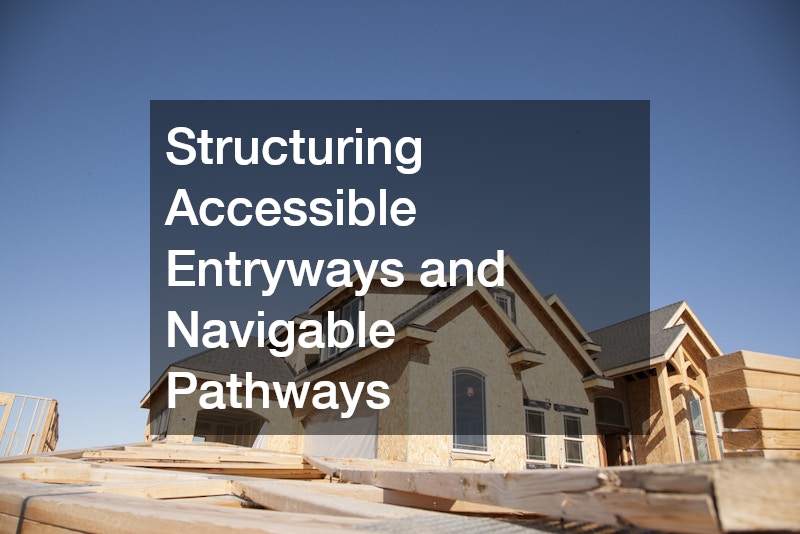
An accessible home must be welcoming and safe from the very first step onto the property line. For many older residential structures, steep front yards, uneven walkways, and traditional concrete stairs present immediate barriers to anyone with limited mobility or those utilizing assistive devices. Addressing these exterior challenges requires a thoughtful combination of smart landscape engineering and practical design. Transitioning a sloped landscape into a series of gentle, wide ramps or flat pathways is an excellent way to guarantee that everyone can enter and exit the house without assistance or fear of tripping. Well-planned walkways also ensure that daily tasks like retrieving the mail or taking out the trash remain entirely manageable. Choosing non-slip materials like brushed concrete or textured pavers adds an extra layer of protection during rainy or icy seasons.
To achieve this level of stability outdoors, homeowners often need to reshape the natural contours of their yard. This is where professional retaining wall installers become indispensable assets to the project. These specialized craftsmen can terrace a steep slope, prevent soil erosion along new pathways, and create perfectly level zones for smooth, wide walkways. By clearing out steep inclines and replacing them with beautifully structured tiers, the exterior of the house becomes both functionally accessible and visually striking. These heavy masonry elements serve a crucial dual purpose, offering long-term structural safety while enhancing the overall curb appeal and resale value of the property.
Once the exterior pathways are secured and the major structural renovations begin inside, managing the logistics of daily life can become incredibly complicated. Moving heavy furniture out of construction zones, packing up family heirlooms, and storing delicate items safely requires professional coordination. Engaging reputable local movers during this chaotic phase can alleviate an immense amount of physical and mental stress for the household. These professionals ensure that living spaces remain uncluttered during the messy phases of remodeling, allowing contractors to work efficiently while protecting the homeowner’s personal belongings from construction dust and accidental damage.
Designing Safe and Maintenance-Free Interior Surfaces

Moving past the entryway, the interior flooring of a forever home requires a meticulous balance of safety, durability, and classic style. Traditional flooring materials like thick carpets can catch the wheels of chairs or cause unexpected trips, while overly polished materials become incredibly slick when exposed to minor moisture. The goal is to establish smooth transitions between rooms, eliminating raised thresholds that present constant hazards. Every room should flow seamlessly into the next, creating an uninterrupted surface that easily accommodates walking frames, wheelchairs, and tired feet alike. Proper lighting should also be integrated to minimize shadows on these flat walking surfaces, making it much easier to spot any small items that might have been dropped.
In areas prone to moisture, such as kitchens, bathrooms, and entry mudrooms, choosing the right material is paramount. High-textured porcelain tile stands out as a premier choice for accessibility remodels. It offers excellent slip resistance when selected with a matte or textured finish, and its extreme durability means it will not warp, scratch, or degrade over time under heavy use. Furthermore, keeping these surfaces clean requires minimal physical effort, which is a major advantage for individuals looking to minimize heavy household chores as they age. When laying this material, utilizing thin, tightly spaced grout lines ensures a completely smooth ride for rolling mobility aids. Placing this material in walk-in showers with zero-threshold entries creates a spa-like environment that is inherently safe for everyone in the family.
Beyond the physical surfaces beneath their feet, homeowners must also consider the quality of the utilities flowing through their walls. True comfort in a lifelong residence extends to health and wellness, which is directly linked to the water quality in the home. Incorporating a high-quality whole house water filter into the main plumbing line ensures that every faucet delivers clean, chemical-free water. This type of comprehensive filtration system protects sensitive skin from the drying effects of harsh chlorine, eliminates hard mineral scaling on expensive new fixtures, and provides pure drinking water from any tap in the house, reducing the physical burden of carrying heavy water bottles or pitchers from the store.
Maximizing Thermal Comfort and Weather Resistance

A truly accessible and comfortable home must maintain a stable internal climate regardless of how harsh or unpredictable the weather becomes outside. Drastic temperature fluctuations can exacerbate chronic health conditions, increase joint stiffness, and lead to astronomical utility bills that strain retirement budgets. For a home to be genuinely livable for the long haul, its thermal envelope must be completely sealed and highly efficient. This means looking closely at how heat moves through the building and taking proactive steps to stop drafts, cold spots, and moisture trapped inside the walls.
Attics and crawl spaces are the primary culprits for energy loss and temperature imbalances in older residential properties. Bringing in a professional local insulation service to evaluate and upgrade these overlooked areas can completely transform the daily living experience. Proper insulation keeps living spaces warm in the winter and cool in the summer, significantly reducing the strain on heating and cooling systems. This is particularly beneficial for individuals transitioning to a fixed retirement income, as it keeps monthly utility bills predictable. More importantly, it creates a uniform indoor temperature throughout the entire footprint of the house, meaning homeowners will not have to constantly adjust thermostats or huddle near dangerous space heaters to stay comfortable in their favorite rooms.
While indoor air quality and temperature are being optimized, the physical shell of the house must also be evaluated for long-term durability. The roof is the ultimate shield protecting the entire interior investment, and a failing roof can quickly ruin expensive interior upgrades with sudden, hidden leaks. Working with experienced roofers to inspect, repair, or completely replace an aging roof system provides immense peace of mind for decades to come. A sturdy, modern roof prevents water damage, deters toxic mold growth, and eliminates the stress of unexpected emergency repairs during severe storm seasons, allowing residents to focus entirely on enjoying their updated living spaces.
Optimizing Essential Utilities and Mechanical Systems

For a house to function seamlessly for independent living, its mechanical systems must be exceptionally reliable and easy to maintain. When a major utility fails, it creates an immediate crisis that can disrupt a person’s daily routine and compromise their safety. Homeowners should take a proactive approach to their plumbing and heating systems, ensuring that everything is running at peak efficiency before minor issues snowball into costly emergencies. This involves scheduled maintenance, timely updates, and replacing appliances that are nearing the end of their operational lifespan.
The plumbing system requires special attention, particularly when it comes to hot water delivery and safety. Struggling with inconsistent water temperatures or dealing with a leaking tank can be highly stressful, which is why booking necessary water heater repairs early in the remodeling process is so critical. Whether it involves fixing a faulty heating element, cleaning out sediment, or upgrading to a modern tankless system, ensuring a steady and reliable supply of hot water is essential for daily hygiene, comfort, and safety. Tankless options are especially popular in accessibility designs because they provide endless hot water on demand while taking up significantly less physical space in utility closets, making the home safer and easier to manage.
As internal mechanical systems are optimized, storage needs often shift, especially when interior closets are reconfigured to make room for wider hallways or larger bathrooms. To prevent the main living areas of the home from becoming cluttered with seasonal items, tools, and outdoor equipment, adding a new shed to the property is a highly practical solution. A well-designed outdoor storage building keeps pathways clear inside the house while keeping essential maintenance tools organized and accessible. Keeping the home clutter-free is vital for cognitive comfort and physical safety. Choosing a shed design with a low-threshold entryway, double doors, and proper ramps ensures that retrieving lawnmowers or gardening tools remains safe and effortless for years to come.
Creating Outdoor Wellness Spaces for Lifelong Leisure
An accessibility remodel should never stop at the back door; the backyard should also be transformed into a functional sanctuary for relaxation, low-impact exercise, and physical therapy. Staying active and spending time outdoors are vital components of maintaining health, mobility, and happiness as the years go by. By extending the accessible design principles used indoors out into the yard, homeowners can create a private retreat that promotes mental well-being and physical comfort. Outdoor spaces should be designed to encourage gentle movement, offer shaded seating areas, and provide opportunities for meaningful leisure.
One of the most rewarding additions to an accessible backyard layout is a dedicated hydrotherapy feature. Installing a high-quality hot tub provides an exceptional way to manage joint pain, improve circulation, and relieve muscle tension from the comfort of home. When planning this installation, incorporating proper surrounding decks, flush transitions, and sturdy handrails ensures that getting into and out of the water is entirely safe and independent. This addition turns a simple backyard into a personal wellness center, offering therapeutic benefits that become increasingly valuable over time as physical needs change.
Cultivating Peace of Mind for the Future
Embarking on a comprehensive remodeling project to create a forever home is a profound investment in one’s future independence, safety, and overall quality of life. By methodically addressing entryways, interior surfaces, mechanical systems, thermal efficiency, and outdoor spaces, property owners can eliminate the physical barriers that often force people out of their beloved homes prematurely. Every modification made today contributes to a safer, more manageable environment for tomorrow, ensuring that the property remains a place of true comfort and security.
Ultimately, successful aging-in-place design is about removing friction from daily routines and fostering self-reliance. When a house is tailored to support its residents through every stage of life, it ceases to be a source of physical strain and instead becomes a supportive framework for independent living. Choosing to invest in home improvements early allows individuals to adapt to their surroundings on their own terms.
Furthermore, these modifications provide immense relief to extended family members, who can rest assured knowing their loved ones reside in an environment specifically engineered to minimize common household accidents. This proactive structural transformation effectively reduces the stress and urgency often associated with sudden caregiving decisions later in life. With the right planning, trusted professionals, and a clear vision, any property can be transformed into a beautiful, accessible sanctuary that stands the test of time and provides genuine comfort for generations.