Every homeowner wants their property to look great and hold its value, but few know where to start when it comes to landscaping upgrades that actually pay off. The good news is that you do not need a massive budget or a professional design degree to make smart, strategic improvements. This guide walks through the practical steps that boost curb appeal, protect your investment, and make your outdoor space more enjoyable to live in. By the end, you will have a clear roadmap for prioritizing projects that deliver real returns.
Understanding What Buyers and Appraisers Actually Notice
Before you spend a dollar on new plants or pavers, it helps to understand what actually moves the needle on property value. Appraisers and buyers respond to visual consistency, healthy plant life, and functional outdoor areas more than exotic or high-maintenance features. A well-maintained, simple landscape almost always outperforms an elaborate one that looks neglected. Walking your property with fresh eyes, or asking a neighbor for honest feedback, is a great first step.
Many homeowners find inspiration by visiting local garden centers to see seasonal displays and get a sense of what plants thrive in their specific climate zone. Staff at these locations often provide free advice on soil amendments, native species, and layout ideas that suit your yard’s sun exposure. Taking photos of your own property and bringing them along can lead to more tailored recommendations. This kind of low-cost research pays dividends before you commit to any larger project.
Getting Your Grass Into Shape First
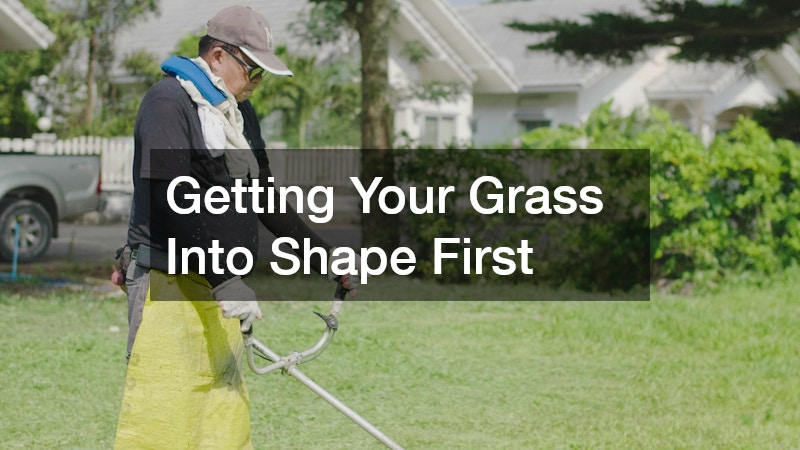
A thick, green, weed-free lawn is one of the fastest and most affordable ways to improve how your property looks and feels, often costing a fraction of what flower beds or hardscaping require. Before investing in bigger projects, address the basics: test your soil for pH (most turf grasses thrive between 6.0 and 7.0), mow at the correct height for your grass type (typically 2.5 to 3.5 inches for cool-season varieties), and water deeply but infrequently, aiming for about 1 to 1.5 inches per week.
Bare patches, thatch buildup, and compacted soil are common issues that can usually be fixed without a full renovation. If thatch exceeds half an inch, a dethatching pass can restore water and nutrient flow to the roots. Compacted areas, especially in high-traffic zones, benefit from core aeration to loosen soil and encourage deeper root growth.
Overseeding in the fall and aerating annually are two simple habits that keep turf looking its best year-round. Fall overseeding takes advantage of cooler temperatures and less weed competition, giving new grass a head start before winter dormancy. Paired with consistent mowing and watering, these small maintenance steps compound over a season or two into a noticeably fuller, healthier lawn.
- Test soil pH before applying fertilizer — most turfgrass thrives between 6.0 and 7.0, and a $15 home kit or free county extension test can prevent wasted spending on the wrong amendments
- Mow at the correct height for your grass type: cool-season lawns like fescue and bluegrass do best at 3-4 inches, while warm-season varieties like Bermuda prefer 1-2 inches, and never cut more than one-third of the blade at once
- Water deeply but less frequently — aim for 1-1.5 inches per week in one or two sessions rather than daily sprinkling, which encourages roots to grow shallow and drought-prone
- Water early in the morning (before 10 a.m.) to reduce evaporation loss and limit the fungal growth that comes with overnight moisture
- Address drainage issues early, since standing water for more than 24 hours after rain can suffocate roots and invite pests like mosquitoes
- Consider simple fixes like regrading low spots, adding French drains, or aerating compacted soil annually to keep water moving through the lawn properly
Dealing With Problem Trees Before They Become Expensive
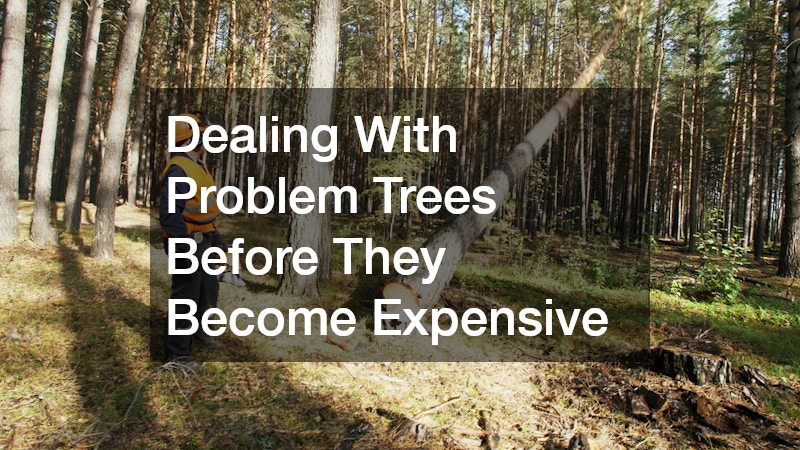
Mature trees add significant value to a property, but a dying, diseased, or poorly placed tree can quickly become a liability rather than an asset. Signs of trouble include large dead branches, fungal growth at the base, leaning trunks, or roots visibly heaving sidewalks and foundations. In these situations, professional tree removal is often the safest and most cost-effective long-term solution, especially when a tree threatens structures or power lines. Waiting too long can turn a manageable job into an emergency situation after a storm.
It is worth getting a second opinion before removing a tree that might be saved with proper pruning or treatment. However, once a certified arborist confirms the tree is a genuine risk, scheduling removal proactively protects your home and your budget. Stump grinding and replanting with a more appropriate species afterward can actually improve the overall look and health of your landscape.
Creating Outdoor Spaces People Actually Want to Use
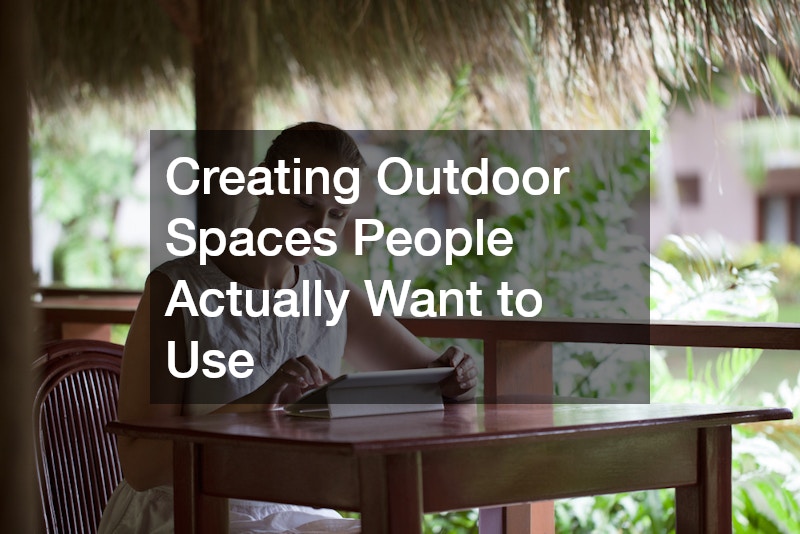
One of the biggest value-adds in modern landscaping is a functional outdoor living area, whether that is a simple patio, a fire pit seating area, or a fully equipped outdoor kitchen. These spaces extend the usable square footage of a home without the cost of a full addition. Working with experienced outdoor living space contractors can help you design a layout that fits your lot size, climate, and how your family actually spends time outside. A good design considers traffic flow, privacy, shade, and how the space connects to the interior of the home.
- Position seating areas to take advantage of prevailing breezes and shade
- Include lighting for safety and extended evening use
- Choose materials that match your home’s architectural style
- Plan for storage of cushions, tools, and outdoor equipment
Choosing Hardscape Elements That Last
Hardscaping refers to the non-living structural elements of your landscape, such as walkways, retaining walls, patios, and steps, and it plays a huge role in both function and aesthetics. Thoughtful hardscape design solves practical problems like drainage and erosion while also creating clear pathways and defined outdoor rooms. Materials range from poured concrete and natural stone to brick and pavers, each with different costs, maintenance needs, and visual character. Because these features are expensive to redo, it pays to plan carefully and consider how they will age over the next ten to twenty years.
A common mistake is choosing hardscape materials purely on price without considering local climate and freeze-thaw cycles. Cracking, shifting, and staining are frequent complaints when the wrong material is used in the wrong region. Consulting with a professional before installation can prevent costly repairs down the line and ensure the finished look complements your existing home exterior.
Sourcing Quality Materials for Do It Yourself Projects
Homeowners tackling smaller landscaping projects themselves still need access to quality materials to get professional-looking results. Mulch, gravel, edging, soil blends, and retaining wall blocks are all available through local landscape supplies dealers, often at better prices and quality than big box stores. Buying in bulk for larger projects, such as a full mulch bed refresh, typically saves money compared to purchasing multiple small bags. Many suppliers also offer delivery, which is worth the small fee when moving heavy materials across a property.
- Compare bulk pricing per cubic yard versus bagged options for larger areas
- Ask about delivery minimums and scheduling windows
- Request samples of stone or mulch color before committing to a full order
- Check for seasonal discounts on soil amendments and edging materials
Knowing When to Bring in Professional Landscaping Help
While plenty of projects are suitable for a weekend warrior, larger scale redesigns often benefit from professional landscaping services, particularly when grading, irrigation, or complex plant selection is involved. A knowledgeable crew can design a cohesive plan that accounts for mature plant sizes, seasonal color, and long-term maintenance requirements. This upfront planning prevents the common problem of overcrowded beds and mismatched plant choices that look great for one season and poorly afterward. Getting multiple quotes and checking references helps ensure you are working with a reputable company.
Professional installation also tends to come with warranties on plant material and workmanship, which offers peace of mind that a strictly do it yourself approach cannot match. For homeowners juggling busy schedules, having a single point of contact to manage design, sourcing, and installation saves considerable time and stress. This is especially valuable for larger properties or homes preparing for sale within a tight timeline.
Protecting the Home That Sits Behind the Landscape
Landscaping improvements matter, but they are only part of the overall property value picture, and a beautiful yard cannot offset visible problems with the house itself. Buyers and appraisers will still scrutinize the condition of the roof, and hiring qualified roofers for an inspection is a smart move before listing or refinancing a property. A professional inspection typically costs between $150 and $400, a small price compared to the thousands a hidden leak or structural issue could cost later.
Missing shingles, sagging rooflines, or visible water stains are red flags that can undercut even the most impressive landscaping investment. Appraisers often factor roof age directly into their valuation models, and a roof nearing the end of its 20 to 25-year lifespan can prompt buyers to negotiate a lower offer or request repairs as a condition of sale. Even minor issues like curling shingle edges or granule loss in the gutters can signal deferred maintenance that makes buyers wary of the whole property.
Addressing roof issues early also prevents water damage that could affect nearby plantings and hardscaping. A single unresolved leak can undermine mature trees, erode carefully graded soil, or stain freshly installed pavers, turning a landscaping asset into a costly repair project. Scheduling a roof inspection alongside any pre-sale landscaping work ensures that improvements above and below the roofline work together rather than against each other.
Similarly, functional plumbing is essential to a home’s value, and outdoor spigots, irrigation lines, and drainage systems are often overlooked until they fail. Scheduling routine plumbing repairs before small leaks turn into foundation or landscaping damage protects both your home and your yard investment. A leaking outdoor faucet, for example, can quietly erode soil and damage nearby plant roots over time, sometimes going unnoticed for months since the water disappears into the ground rather than pooling visibly.
The financial stakes are real: a single undetected irrigation leak can waste thousands of gallons of water annually, driving up utility bills while saturating soil near the foundation. That excess moisture softens the ground, increasing the risk of settling, cracked slabs, or basement seepage that can cost far more to repair than the original leak. Even minor issues, like a worn valve or a cracked sprinkler head, deserve prompt attention before they escalate.
Coordinating these repairs alongside landscaping projects ensures water is directed away from structures rather than pooling near foundations. This might mean regrading a slope, installing a French drain, or repositioning downspout extensions so runoff empties well beyond the home’s perimeter. Timing plumbing inspections to coincide with seasonal landscaping work, such as spring irrigation startups or fall shutdowns, also makes it easier to catch problems before they compound.
Ultimately, buyers and appraisers notice the difference between a yard that merely looks attractive and one backed by sound infrastructure. A well-maintained irrigation system with no visible leaks, healthy drainage patterns, and dry foundation walls signals that the property has been cared for holistically, not just cosmetically.
Extending Greenery Into Indoor Living Spaces
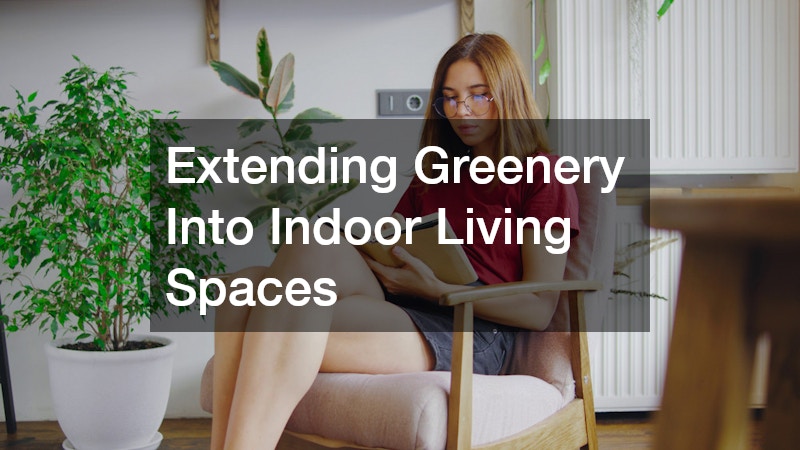
A cohesive property value strategy does not stop at the front door, and thoughtful indoor greenery can reinforce the same polished, well cared for impression buyers respond to outdoors. Quality indoor plant pottery allows homeowners to bring texture, color, and life into entryways, sunrooms, and living areas that complement the exterior landscape design. A well-placed fiddle leaf fig in a glazed ceramic planter near a foyer, for instance, can set a tone of intentional design before a visitor even reaches the main living space.
Choosing pots that echo materials or colors used in your outdoor hardscaping creates a subtle sense of flow between indoor and outdoor spaces. If your patio features charcoal-toned pavers, a matching set of matte black or slate-gray planters indoors can tie the two areas together visually. Terracotta, concrete, and woven rattan are especially effective bridge materials, since they read as natural elements whether placed on a deck or a living room shelf.
Scale and placement matter as much as material choice. Oversized floor planters work well in sunrooms or near large windows, where they mimic the visual weight of outdoor shrubs, while smaller tabletop pots suit kitchens, hallways, and bathrooms without overwhelming the space. Grouping three pots of varying heights, rather than scattering single plants throughout a room, tends to create a more curated, high-end look that photographs well for listings.
This small detail is often noticed by visitors and buyers even if they cannot articulate exactly why a home feels put together. Real estate agents frequently point to layered greenery as one of the low-cost staging touches that makes a home feel move-in ready, often for less than a few hundred dollars in pottery and plants.
- Choose pottery with proper drainage holes and matching saucers to protect flooring and prevent root rot
- Select materials like glazed ceramic or fiberglass for indoor durability, avoiding porous terracotta that can sweat onto wood floors
- Match container style, color, and texture to your home’s overall design aesthetic, whether modern minimalist or traditional
- Use varying plant heights, from tall floor plants to trailing tabletop varieties, to add visual interest near windows and entryways
- Group plants in odd-numbered clusters of three or five for a more natural, curated look
- Rotate seasonal plants like poinsettias in winter or hydrangeas in spring to keep indoor spaces feeling fresh
- Consider light exposure and humidity levels in each room before committing to permanent plant placements
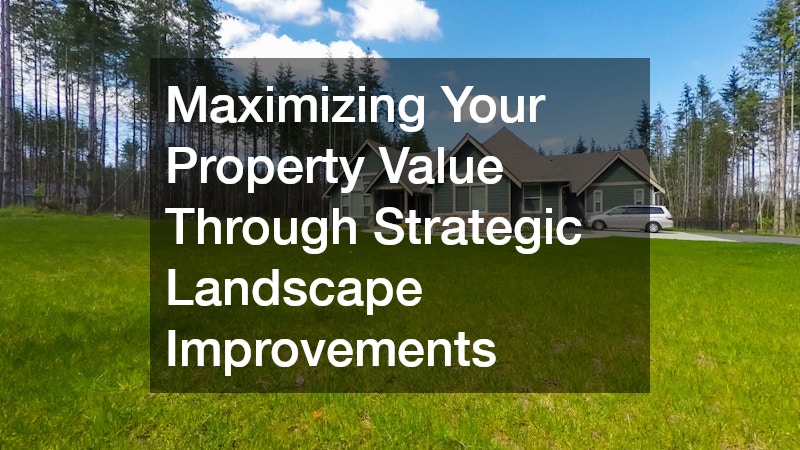
Maximizing your property value through landscaping is less about grand gestures and more about consistent, well-planned improvements across both the yard and the home itself. Start with an honest assessment of your lawn, trees, and hardscaping, then address any underlying issues with the roof or plumbing that could undermine your efforts. From there, prioritize the projects that offer the best balance of visual impact and long-term durability, bringing in professional help where the scope calls for it. Taking these steps methodically will leave you with a property that looks better, functions better, and holds its value for years to come.