
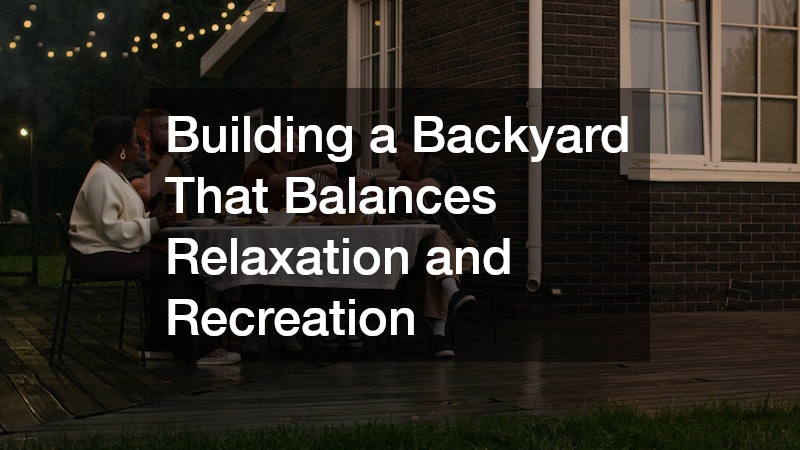
A backyard should feel like a natural extension of your home, offering space to unwind while still supporting activity and connection. When thoughtfully designed, it becomes a place where peaceful mornings and energetic afternoons coexist without conflict. The key to achieving this balance lies in intentional planning. Rather than filling the yard with features at random, it helps to consider how each area will function and how those areas interact with one another. A balanced outdoor space doesn’t just look appealing; it works seamlessly for daily routines, weekend gatherings, and everything in between.
Creating harmony between relaxation and recreation often begins with defining zones. Open lawn areas invite games and movement, while more secluded corners support rest and conversation. Transitions between these zones should feel fluid, guided by pathways, landscaping, or subtle changes in surface materials. Lighting, greenery, and furnishings all influence the atmosphere, helping the yard feel cohesive instead of divided. Even small design choices, such as orienting seating toward a view or placing activity areas farther from quiet spaces, can significantly impact how the backyard feels and functions.
Ultimately, the goal is flexibility. A well-balanced backyard adapts to different moods and occasions. It provides calm when you need a break and energy when you want to entertain.
Designing Comfortable Lounge Areas
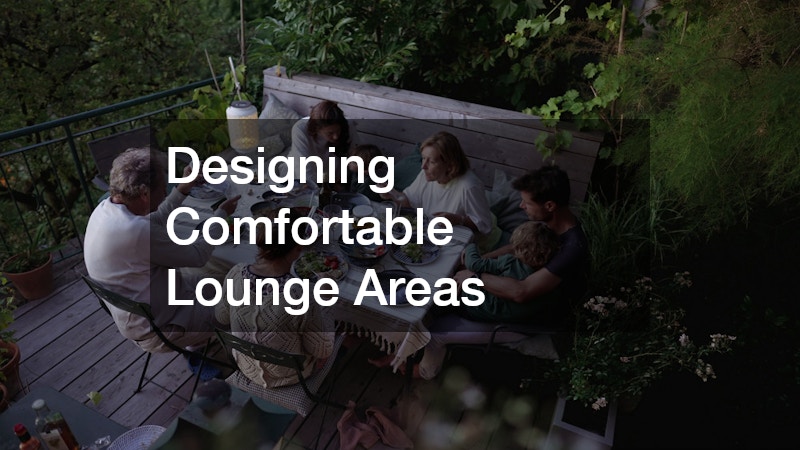
Comfortable lounge areas are central to creating a backyard that supports relaxation. These spaces offer a dedicated place to slow down and enjoy the outdoors, whether that means reading a book, sharing a meal, or gathering around a fire feature. Plush seating, layered lighting, and durable yet inviting materials help establish an atmosphere that feels like an outdoor living room. Positioning furniture to take advantage of shade, garden views, or focal points enhances comfort and usability. When carefully arranged, a lounge zone encourages both quiet moments and meaningful conversations.
For homeowners seeking a polished and lasting foundation, working with patio builders can help define and anchor the space. A well-constructed patio separates relaxation areas from active zones, giving the yard structure without making it feel rigid. Materials such as natural stone, pavers, or decorative concrete provide stability while complementing the home’s exterior. Built-in seating walls or subtle elevation changes can add character and improve functionality. With a strong structural base in place, lounge areas become more durable and adaptable, supporting everything from everyday relaxation to larger gatherings with ease.
Incorporating Shade and Shelter Solutions
Shade and shelter are essential for maintaining comfort throughout the day. Without protection from direct sunlight or light rain, outdoor spaces can quickly become underused. Structures such as pergolas, covered patios, or retractable awnings make it possible to enjoy the yard even during warmer months. These elements also create defined areas within the backyard, helping separate spaces for dining, lounging, and recreation. Natural shade from thoughtfully placed trees can further soften the environment, adding both beauty and functionality.
In addition to larger structures, smaller features like outdoor-rated window treatments can enhance comfort and privacy in covered areas. These adjustable additions help filter sunlight, reduce glare, and manage airflow without fully enclosing the space. They allow you to adapt the environment based on time of day or activity level, creating a more versatile setting. By layering different forms of shelter, you make the backyard more resilient and inviting, supporting relaxation while still accommodating recreation in a variety of conditions.
Creating Dedicated Activity Zones
A backyard that balances relaxation and recreation benefits greatly from clearly defined activity zones. These areas provide structure to the space and give family members and guests a place to move, play, and gather without disrupting quieter corners. Whether it’s a grassy section for lawn games, a paved surface for basketball, or a flexible open area for yoga and stretching, defining where activity happens helps maintain harmony across the yard. Thoughtful placement is essential. Active spaces should feel accessible and inviting while remaining separate enough from lounge areas to preserve a sense of calm.
Physical boundaries can reinforce these zones without making the yard feel closed off. An aluminum fence, for example, can subtly frame a play area or garden while maintaining visibility and openness. Its clean lines offer durability and safety without overwhelming the landscape design. Surrounding activity zones with low-maintenance plantings or soft edging materials can also help transition between energetic and restful sections of the yard. By intentionally organizing space in this way, you create an environment that supports movement and recreation while still honoring the need for peaceful retreat.
Adding Outdoor Dining Spaces
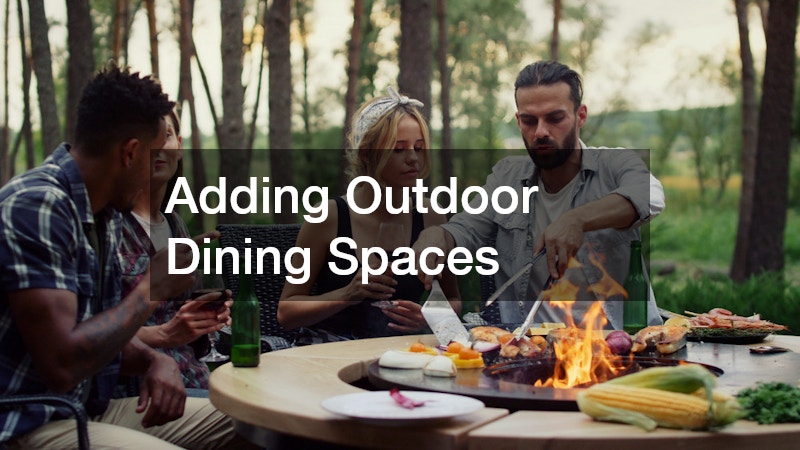
Outdoor dining spaces bridge the gap between relaxation and recreation by encouraging connection and shared experiences. A thoughtfully designed dining area transforms everyday meals into memorable moments and gives guests a reason to linger outdoors. Placement plays a major role in comfort. Locating the dining zone near the home for convenience while keeping it close to activity areas allows hosts to remain part of the action. Durable tables, supportive seating, and adequate lighting all contribute to a functional yet welcoming atmosphere. Shade structures or umbrellas can make daytime dining more enjoyable, while subtle lighting extends usability into the evening.
For homeowners who enjoy entertaining, incorporating a backyard kitchen can elevate the experience significantly. Built-in grills, counter space, and storage simplify food preparation and reduce the need to move between indoor and outdoor areas. Selecting weather-resistant materials helps the space withstand changing conditions while maintaining visual appeal. Thoughtful layout choices, such as positioning the cooking area slightly apart from the dining table, keep foot traffic flowing smoothly. When dining and preparation spaces are integrated seamlessly, the backyard becomes a lively yet comfortable destination for gatherings of all sizes.
Integrating Water Features for Calm
Water features bring a natural sense of tranquility to any backyard setting. The gentle sound of flowing water can soften background noise, create a soothing atmosphere, and visually anchor the landscape. From small fountains to larger pools, these elements contribute to both aesthetic appeal and recreational opportunity. The reflective quality of water adds depth to the yard, while surrounding greenery enhances the feeling of escape. Even modest installations can dramatically shift the mood, turning a standard backyard into a peaceful retreat.
For properties with swimming pools, maintaining the water’s appearance is just as important as the feature itself. Regular swimming Pool Tile Cleaning helps preserve clarity and prevents buildup that can detract from the overall design. Clean tile lines enhance the visual impact of the pool and support a healthier environment for recreation. Surrounding the water feature with comfortable seating, slip-resistant surfaces, and thoughtful landscaping further strengthens its role in balancing calm and activity. By caring for both the visual and functional aspects of water elements, you create a backyard space that invites relaxation while encouraging enjoyment.
Installing Lighting for Day and Night Use
Lighting plays a crucial role in extending the usability of a backyard beyond daylight hours. A well-lit space feels safer, more inviting, and more functional for both relaxation and recreation. Layered lighting design works best, combining ambient illumination with task and accent lighting to create depth and flexibility. Soft string lights or pathway fixtures can guide movement through the yard, while focused lighting over seating or dining areas supports conversation and visibility. By thoughtfully placing fixtures, you can highlight architectural features, landscaping, and gathering zones without overwhelming the natural atmosphere.
Practical considerations are just as important as aesthetics. Outdoor lighting should be weather-resistant, energy-efficient, and positioned to avoid glare. In covered patio areas or outdoor living spaces attached to the home, coordinating lighting with roofing structures allows for integrated fixtures that feel seamless rather than added on. Recessed lights, mounted sconces, or pendant fixtures under a solid roof can provide dependable illumination while maintaining a cohesive look. When lighting is planned intentionally, it enhances both safety and ambiance, making the backyard equally suited for peaceful evenings and lively nighttime activities.

Choosing Durable and Attractive Materials
Material selection has a lasting impact on how well a backyard supports both comfort and activity. Surfaces and finishes must withstand weather, foot traffic, and regular use while still contributing to the overall design aesthetic. Durable pavers, composite decking, and treated wood are common choices for patios and walkways because they combine strength with visual appeal. Choosing cohesive textures and colors throughout the yard helps unify relaxation and recreation zones. Materials should feel inviting underfoot while being resilient enough to handle everything from gatherings to games.
Ground cover also plays a significant role in performance and appearance. Investing in professional mulch services can improve soil health, reduce weeds, and provide a polished look around plant beds and trees. Mulch helps define landscaped areas while cushioning transitions between hard surfaces and greenery. Selecting high-quality materials and maintaining them properly prevents premature wear and keeps the backyard looking well cared for. When durability and design are considered together, the space remains attractive and functional for years to come.
Blending Landscaping With Open Space
Successful backyard design relies on balancing planted areas with open, usable space. Landscaping should enhance the environment without crowding it. Trees, shrubs, and flower beds add texture and seasonal interest, but they must be arranged thoughtfully to preserve clear pathways and activity zones. Strategic plant placement can create natural boundaries between quiet corners and energetic areas while maintaining a cohesive look. Open lawn sections, meanwhile, provide flexibility for games, gatherings, and relaxation.
Maintaining healthy trees and greenery is essential to keeping this balance intact. Professional tree services can help manage growth, remove hazardous limbs, and shape trees to complement the overall layout. Proper pruning and care prevent overgrowth that might encroach on recreational areas or block natural light. By blending well-maintained landscaping with open, adaptable space, you create a backyard that feels vibrant yet spacious. This harmony allows the yard to support peaceful moments beneath shaded branches as well as active afternoons in the sun.
Including Games and Fitness Elements
A backyard that truly balances relaxation and recreation should offer opportunities for movement and play. Incorporating games and fitness elements encourages family members and guests to stay active without leaving home. Open lawn areas can support casual sports, while designated corners can accommodate equipment such as a basketball hoop, cornhole boards, or even a small putting green. The goal is to make activity feel natural within the space rather than disruptive. Placing these features within sight of seating areas allows those who prefer to relax to remain connected to the action.
Maintenance plays a significant role in keeping activity zones enjoyable. Regular upkeep, including scheduling a dog waste removal service, helps keep lawn areas clean and ready for use. A well-maintained yard not only looks better but also supports healthier play conditions for children and pets. Choosing durable turf or reinforced grass in high-traffic spots can further protect the landscape from wear.

Maintaining Privacy Without Sacrificing Openness
Privacy is essential for relaxation, yet too many barriers can make a backyard feel confined. The key is finding subtle ways to create separation from neighboring properties while maintaining airflow and visual openness. Layered landscaping, decorative panels, and strategic furniture placement can all contribute to a sense of enclosure without blocking natural light. Thoughtfully positioned trees and tall shrubs soften sightlines while enhancing the overall aesthetic. By using these techniques, homeowners can feel more at ease enjoying both quiet moments and active gatherings.
Functional home features also contribute to a comfortable and private environment. Keeping fireplaces and outdoor heating elements in good condition through routine chimney sweeping supports safe, cozy evenings outdoors. A well-maintained fireplace can become a focal point that draws attention inward, reinforcing a sense of intimacy in the space. Combining safety, comfort, and thoughtful design allows the backyard to feel sheltered without becoming isolated. When privacy measures are integrated seamlessly, the yard maintains its openness while offering the seclusion necessary for true relaxation.
Building a backyard that balances relaxation and recreation is about creating intentional harmony. Each feature, from lounge seating and shade structures to activity zones and landscaping, contributes to the overall experience. When thoughtfully arranged, these elements work together rather than competing for attention. The result is a space that adapts easily to different needs, whether you are hosting a gathering, enjoying family time, or simply unwinding after a long day.